04 Sep
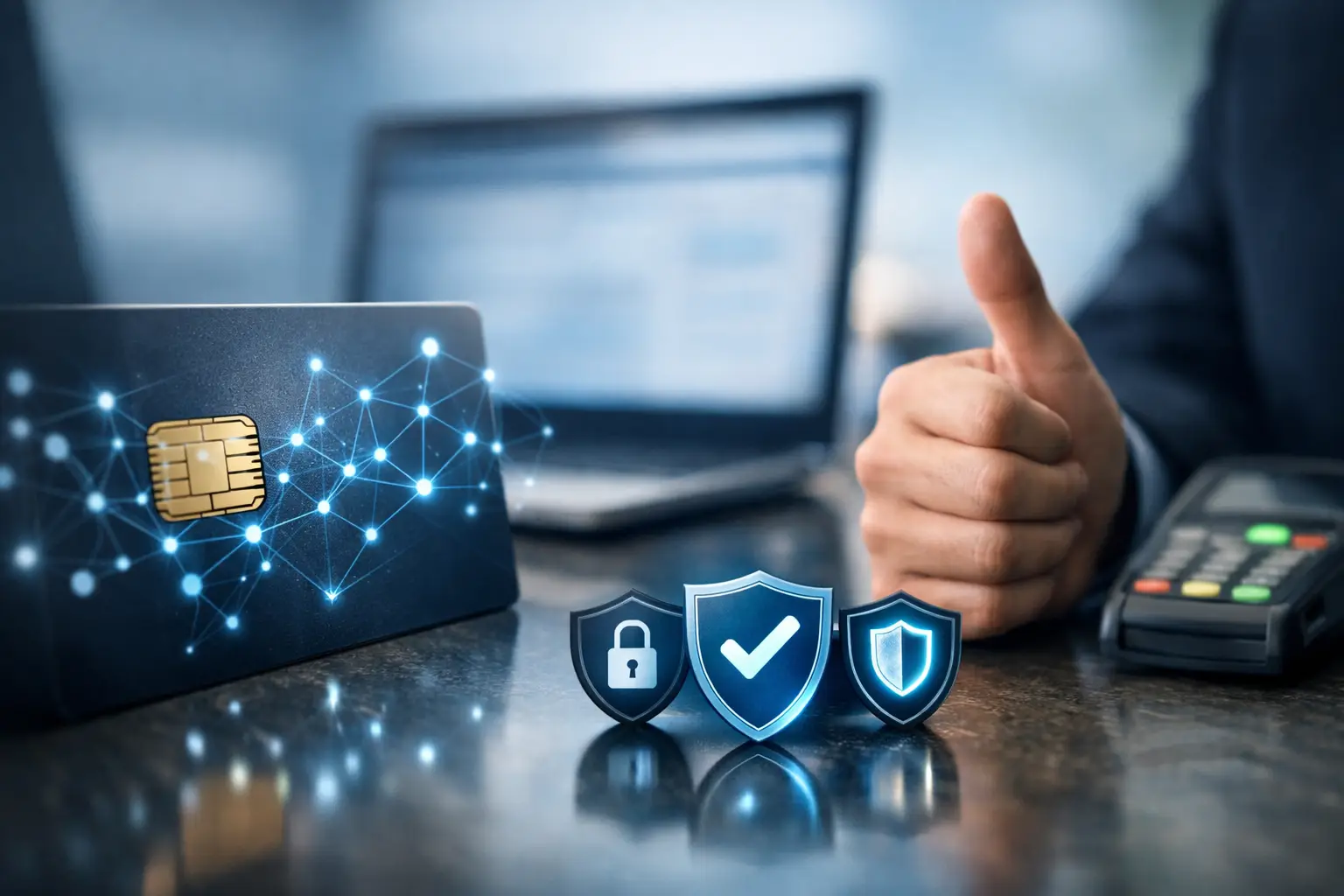
A stored card that expires, is reissued or is exposed in a breach can quickly become a lost sale. Network tokens replace sensitive card numbers with payment credentials designed for a specific merchant, device or payment use case. For e-commerce businesses, that means stronger protection for card data and a practical route to better approval rates, particularly for recurring and card-on-file payments.
The commercial value is not simply that a token hides a primary account number (PAN). Properly implemented network tokenisation can help issuers recognise a transaction as legitimate, reduce unnecessary declines and keep eligible credentials active when a card changes. The result is a checkout and billing operation that is more resilient without asking customers to do more.
What are network tokens?
A network token is a substitute credential issued through a card scheme token service, such as those operated by Visa or Mastercard. It represents the underlying card account but does not expose the actual PAN to the merchant or other parties processing the transaction.
Unlike a merchant-created token, which is typically only meaningful inside one gateway or vault, a network token is recognised across the payments ecosystem. It is accompanied by a cryptogram, a transaction-specific security value generated for the payment request. Together, the token and cryptogram give issuers additional context and make intercepted payment data far less useful to criminals.
The token is usually restricted by controls known as token domain controls. These can bind it to a merchant, a device, a channel or a combination of these factors. If the credential is copied and presented outside its authorised context, it should not be usable in the same way as the original card number.
This distinction matters for merchants operating across several PSPs or acquirers. A gateway token is valuable for simplifying internal storage and routing, but it may not provide the lifecycle management and issuer recognition associated with a scheme-issued network token.
Why network tokenisation can improve approvals
Issuers assess every authorisation request against signals of fraud, account status and expected customer behaviour. A transaction using a properly provisioned network token can provide a stronger set of signals than one using static card details. It indicates that the credential has been tokenised through an approved process and is being used within its intended domain.
That does not mean every tokenised payment will be approved. An issuer can still decline for insufficient funds, fraud concerns, account restrictions or risk rules. However, for eligible transactions, network tokens can reduce declines caused by outdated credentials and help issuers distinguish genuine card-on-file activity from less trustworthy traffic.
The effect is often most visible in recurring billing. Subscription businesses can lose customers without ever receiving a cancellation request when a payment fails after a card expiry, replacement or issuer update. Network token lifecycle management can update eligible token credentials behind the scenes, allowing billing to continue without an avoidable interruption.
For travel, hospitality, gaming, dating and other sectors with repeat customers, this can protect revenue that would otherwise be spent on dunning campaigns and payment-recovery efforts. It also reduces the need to prompt legitimate customers to re-enter card details, which can create friction at exactly the wrong moment.
Network tokens and PCI DSS scope
Network tokenisation is a security control, not a substitute for PCI DSS compliance. Merchants and service providers must still assess their card-data environment, maintain appropriate controls and work with qualified compliance specialists where required.
That said, reducing exposure to raw PAN data is commercially and operationally valuable. If checkout fields, APIs and payment storage are designed so that sensitive card data is handled by a PCI DSS Level 1 payment gateway rather than merchant systems, the merchant can reduce the systems that handle cardholder data directly. Fewer exposed systems can mean a more manageable security estate and lower breach impact.
The architecture matters. Sending PAN data through an improperly configured server before it reaches a tokenisation service can expand exposure and compliance obligations. Hosted payment fields, hosted checkout and direct client-side tokenisation are commonly used to minimise unnecessary handling of card data in merchant infrastructure.
Where network tokens deliver the strongest value
Network tokens are most useful when cards are stored or reused. A one-off purchase can benefit from tokenisation, but the larger operational gains usually appear in repeat-payment flows.
For subscriptions, tokens can support continuity when an underlying card is renewed. For marketplace and app businesses, they can protect stored-card checkout across devices and help reduce the risk associated with credential storage. For merchants with high transaction volumes, even a small improvement in authorisation performance can translate into meaningful recovered revenue.
They are also relevant where fraud pressure is high. A token cannot solve fraud on its own, and it does not replace 3D Secure v2, velocity controls, device intelligence or manual review. It does, however, make stolen payment credentials less portable and gives issuers a more secure payment signal.
The exact benefit depends on card scheme, issuer support, country, transaction type and the quality of the implementation. Merchants should measure performance by segment rather than assume a universal uplift. Compare approval rates, soft declines, renewal recovery and chargeback outcomes across tokenised and non-tokenised traffic where a valid comparison is possible.
How to implement network tokens without adding checkout friction
The best implementation starts with payment-flow design, not a request to switch on a feature. Identify where cards are collected, where they are stored, which entities initiate subsequent charges and which acquirers process each market or card type.
A payment gateway or orchestration layer should then support token provisioning, secure credential storage and the correct submission of token and cryptogram data to participating acquirers. The integration must preserve key transaction information, including whether a payment is customer-initiated or merchant-initiated, the original agreement reference for recurring payments and the appropriate stored-credential indicators.
This is particularly important for subscription and instalment billing. A token may be present, but an incorrectly classified merchant-initiated transaction can still be declined. Payment teams need the original customer consent, mandate and subsequent transaction flow configured accurately from the first payment onwards.
Consider these implementation priorities:
- Use hosted payment fields or a hosted checkout to prevent card details passing through unnecessary merchant systems.
- Enable network token provisioning for eligible card-on-file and recurring-payment journeys, rather than treating every payment path identically.
- Ensure the gateway can pass token cryptograms and scheme data through to the selected acquirer without stripping critical fields.
- Configure retries carefully. A soft decline may require customer authentication or a different timing, not repeated attempts in quick succession.
- Monitor token coverage, approval rates and credential-update outcomes by issuer, country, acquirer and payment type.
For complex international setups, the acquiring route is part of the decision. A merchant may need different acquirers for regional coverage, vertical acceptance or risk appetite. The platform should retain the tokenised payment experience while applying intelligent routing rules that reflect cost, approvals, local requirements and processor availability.
Avoid confusing network tokens with tokenised wallets
Digital wallets also use tokenisation, often through device-specific tokens. A customer paying with a wallet on a mobile device may therefore benefit from a tokenised credential, but this is not always the same as a merchant’s network-token strategy for stored cards and recurring billing.
Wallet acceptance, network tokenisation and gateway vaulting can work together. They solve overlapping but distinct problems: wallets make customer authentication and checkout easier; network tokens secure eligible card credentials within the card-scheme ecosystem; gateway tokens help merchants manage stored payment methods and routing within their payment stack.
A well-designed payment programme uses each layer where it is most effective. It should not force every shopper into a wallet, nor should it depend on static PAN storage when a network token is available.
Operational controls still matter
Introducing network tokens should lead to better data discipline, not less scrutiny. Payment operations teams should have clear reporting for provisioning failures, token status, credential updates, fallback events and authorisation performance. When an approval rate changes, teams need to establish whether the cause is token coverage, acquirer routing, issuer behaviour, authentication outcomes or fraud rules.
Fallback handling deserves particular attention. If a token cannot be used, automatically reverting to raw PAN processing may preserve a sale in some cases, but it can also reduce security benefits and affect issuer treatment. The right policy depends on the merchant’s risk profile, card-scheme rules and the reason for the fallback. It should be tested, documented and monitored rather than left to a default setting.
For regulated and high-risk merchants, tokenisation should sit within a wider control framework covering KYC, fraud prevention, 3D Secure strategy, chargeback management and acquiring resilience. AllSecure helps merchants design these payment flows across gateway, acquiring and orchestration requirements, so tokenisation supports commercial growth rather than becoming another isolated technical project.
Network tokens are most valuable when they are treated as payment infrastructure, not a box to tick. Build them into stored-card, recurring and multi-acquirer journeys with accurate transaction data and clear reporting. Customers see a payment that simply works; your team gains a more secure foundation for keeping legitimate revenue moving.
Related Articles