03 Nov
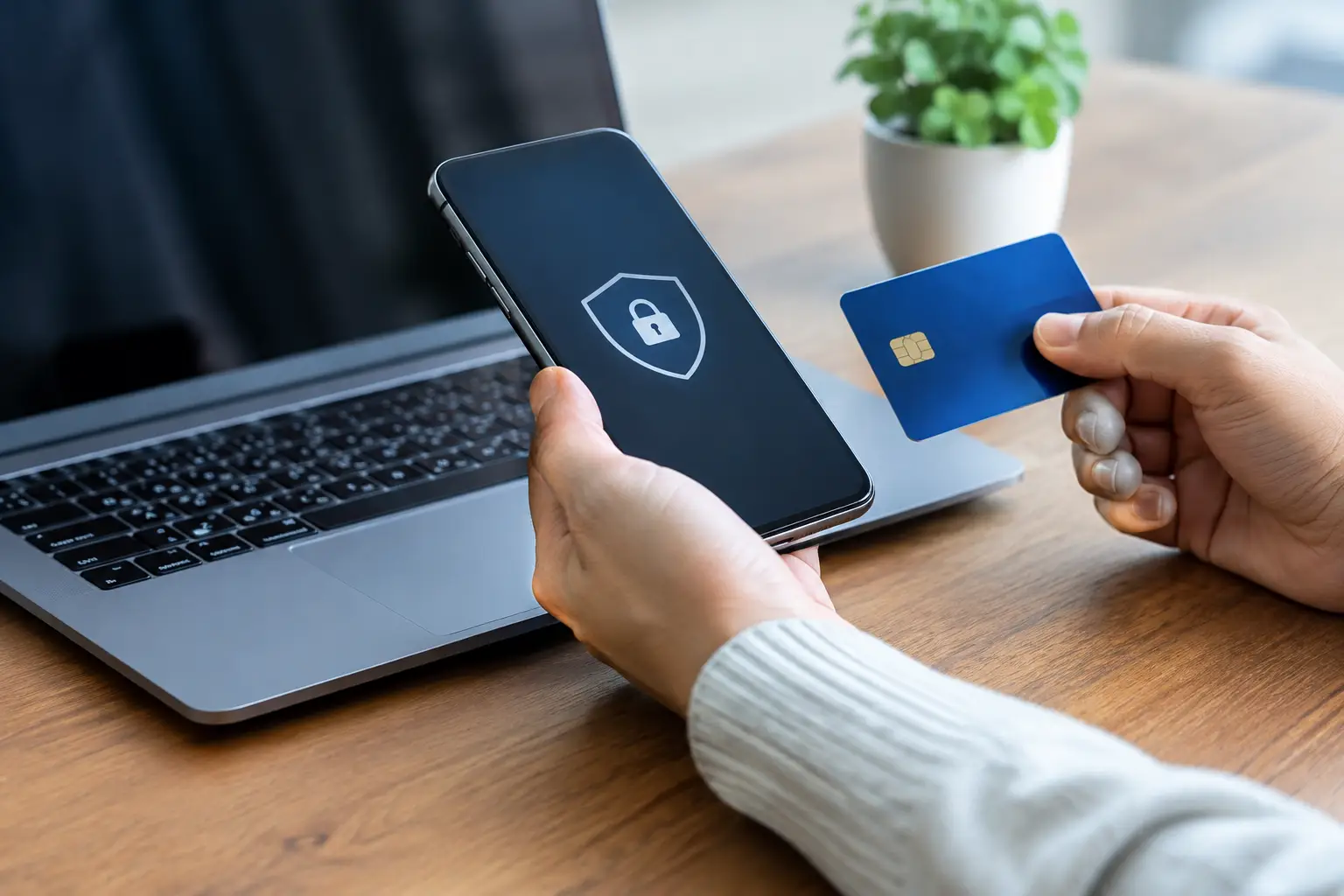
A stored card detail can be a conversion asset or a long-term operational liability. The difference lies in how you manage payment method tokens: where they are stored, what they represent, who can use them and how they behave when a card is replaced, expires or moves between payment providers.
For subscription platforms, travel businesses, licensed gaming operators and other merchants with repeat customers, token management is not simply a technical housekeeping task. It affects PCI DSS exposure, recurring payment continuity, authorisation performance, fraud controls and the practical freedom to change acquiring partners as the business grows.
What payment method tokens actually do
A payment token is a non-sensitive reference that represents a customer’s payment method. Rather than retaining the primary account number in merchant systems, the merchant stores the token and submits it when charging the customer again. The payment gateway or token service maps the token to the underlying payment credentials within a protected environment.
This approach reduces the amount of sensitive card data passing through your own systems. It can also make recurring billing, one-click payments and account-updater processes more manageable. However, a token is still valuable from an operational and security perspective. If an unauthorised party can use a token through an exposed API or poorly controlled merchant account, it may be able to initiate payments.
The term can cover several different models. A gateway token is generally created and held by a payment gateway. An acquirer or PSP token may only work with that particular provider. Network tokens are issued through card-scheme tokenisation services and are designed to replace card credentials in transaction flows, often with lifecycle updates when the underlying card changes. The exact benefits depend on the payment route, card scheme, issuer support and integration design.
Why the token type matters commercially
Not all tokens have the same portability or lifecycle behaviour. A token created inside one provider’s vault may be convenient for an initial integration but difficult to use if the merchant later adds a second acquirer or migrates payment processing.
For a business operating across markets, this can become a material dependency. A travel platform may need different acquirers for domestic and international card acceptance. A subscription merchant may need a fallback route when an issuer decline rate rises. If stored credentials are locked into one route, payment orchestration becomes harder and customer disruption becomes more likely.
Before selecting a token model, establish whether the token can support multi-acquirer routing, whether it can be migrated under appropriate controls, and what happens to stored credentials if a provider relationship ends. The answer will vary by provider, card scheme rules and the commercial arrangements in place.
How to manage payment method tokens throughout their lifecycle
Effective token management starts before the token is created. The goal is to collect only what is needed, use the right consent and authentication flows, then retain a payment reference only for as long as there is a legitimate business reason.
Create tokens through controlled payment collection
Hosted payment fields and hosted checkout pages can reduce direct handling of card data in merchant applications. In a well-designed flow, card details are entered into fields served or controlled by the payment provider, and the merchant application receives a token rather than the card number.
This does not remove every PCI DSS responsibility. Scope depends on the architecture, integration method and control environment. But it can significantly reduce the systems that store, process or transmit sensitive cardholder data.
For card-on-file use, make consent explicit. Explain whether the credential will be used for a subscription, a future purchase, a deposit, an incidental charge or another defined purpose. Store evidence of consent alongside the customer record, including the time, channel and agreed terms. This is especially relevant where merchants face elevated dispute risk, such as digital subscriptions, online dating and adult entertainment.
Keep token records useful, but minimal
A token record should support payment operations without becoming a shadow database of unnecessary customer information. In addition to the token reference itself, merchants commonly need the customer identifier, payment method status, token provider, card brand, last four digits, expiry month and year, consent reference, and timestamps for creation and last successful use.
Avoid duplicating sensitive values that are not required for service delivery or reconciliation. Access should be role-based, with finance, support, risk and technical teams able to see only the data necessary for their responsibilities. Support staff, for example, may need masked card details and payment status but should not have the ability to export token lists or initiate unrestricted charges.
Token values should never appear in application logs, error messages, browser storage, analytics tools or support tickets. Treat them as protected credentials, even though they are not raw card numbers.
Separate customer identity from payment routing
Many merchants create avoidable complexity by tying one customer record to one token and one acquiring route. A more flexible design separates the customer profile, payment method reference and processing route.
This enables a payment orchestration layer to determine whether a transaction should go to the primary acquirer, a local acquiring partner or an approved fallback route. It also gives operations teams clearer visibility into which token type was used for each transaction and why a retry was or was not appropriate.
That flexibility must be balanced with compliance and customer expectations. Do not reroute transactions in ways that conflict with stored credential rules, consent terms, merchant category restrictions or risk controls. Intelligent routing should improve legitimate payment acceptance, not bypass issuer decisions or scheme requirements.
Protect recurring revenue without creating unnecessary retries
Tokenised credentials are central to recurring billing, but a token alone will not prevent involuntary churn. Cards expire, are reissued, are blocked after suspected fraud or simply lack sufficient funds at the time of billing.
Where supported by the route, network tokenisation and account-updater capabilities can help maintain credential continuity after a card replacement. Their effectiveness is not universal, and merchants should monitor results by issuer, market, card brand and payment type rather than assuming every update will succeed.
A disciplined retry strategy also matters. Retrying a soft decline at a different time may be reasonable where permitted. Repeatedly resubmitting transactions after hard declines, invalid account responses or suspected fraud signals can increase costs, create complaints and damage payment performance.
Use clear decisioning rules based on decline codes, customer history, billing cycle and risk data. For high-value bookings or subscription upgrades, a prompt to update the payment method may be more appropriate than automated retries. For lower-value recurring payments, a limited, spaced recovery sequence may produce better results without creating excessive pressure on issuers or customers.
Monitor token health as an operational metric
Payment teams often monitor approval rates but overlook the condition of the stored credential base. Token health should be measured through practical indicators: the percentage of active tokens, token-related failure reasons, successful credential updates, recurring recovery rates, expired credential rates and the share of transactions using network tokens where available.
Segment this data. A single blended figure can hide a significant issue in one country, card brand, customer cohort or acquiring route. A gaming operator may see a higher decline rate in a particular market because of issuer policy. A SaaS business may find that monthly billing dates concentrate insufficient-funds declines. An airline or travel merchant may need to distinguish between initial booking authorisations and later permitted charges.
Monitoring should lead to action. If token failures rise after a gateway release, investigate the API flow and token status handling. If a particular acquirer is underperforming for a supported market, assess routing and acquiring coverage. If friendly fraud or chargebacks concentrate around stored-card payments, review transaction descriptors, customer communications, cancellation journeys and evidence retention.
Plan for provider change before it becomes urgent
Merchants normally examine token portability during a migration, when time pressure is highest. It is better to address it during provider selection and contract negotiations.
Ask how stored credentials can be migrated, what customer re-consent may be required, whether network tokens can be retained, and how long the existing provider will support transaction processing during transition. Clarify data formats, security procedures, reconciliation requirements and responsibilities between the gateway, acquiring partners and merchant.
A phased migration is often safer than a single cutover. Begin with new customers on the target architecture, move eligible existing credentials in controlled batches, reconcile token counts and transaction outcomes, then maintain a fallback plan for exceptions. The right approach depends on the token model and the relevant provider agreements.
For merchants operating internationally or in specialised sectors, token strategy should sit alongside acquiring strategy rather than behind it. AllSecure can help businesses assess how tokenisation, multi-acquirer connectivity, recurring billing and fraud controls should work together for their payment model. The practical objective is straightforward: retain the flexibility to improve payment performance without putting existing customer revenue at unnecessary risk.
Related Articles