14 Oct
A checkout can look healthy while revenue is quietly being lost. A card payment may be declined because an acquirer has limited appetite for a merchant’s sector, cannot support a local card scheme, has reached a processing threshold or is experiencing an outage. For international and high-risk businesses, the answer to “can merchants use multiple acquirers” is yes – and, when implemented with the right controls, it can be a material advantage.
Multiple acquiring relationships give merchants more than a backup route. They create the ability to direct transactions to the acquirer best placed to approve them, support expansion into new markets and reduce reliance on a single commercial or technical relationship. The objective is not to add complexity for its own sake. It is to build payment acceptance that protects conversion, manages risk and remains operationally controllable.
Can merchants use multiple acquirers?
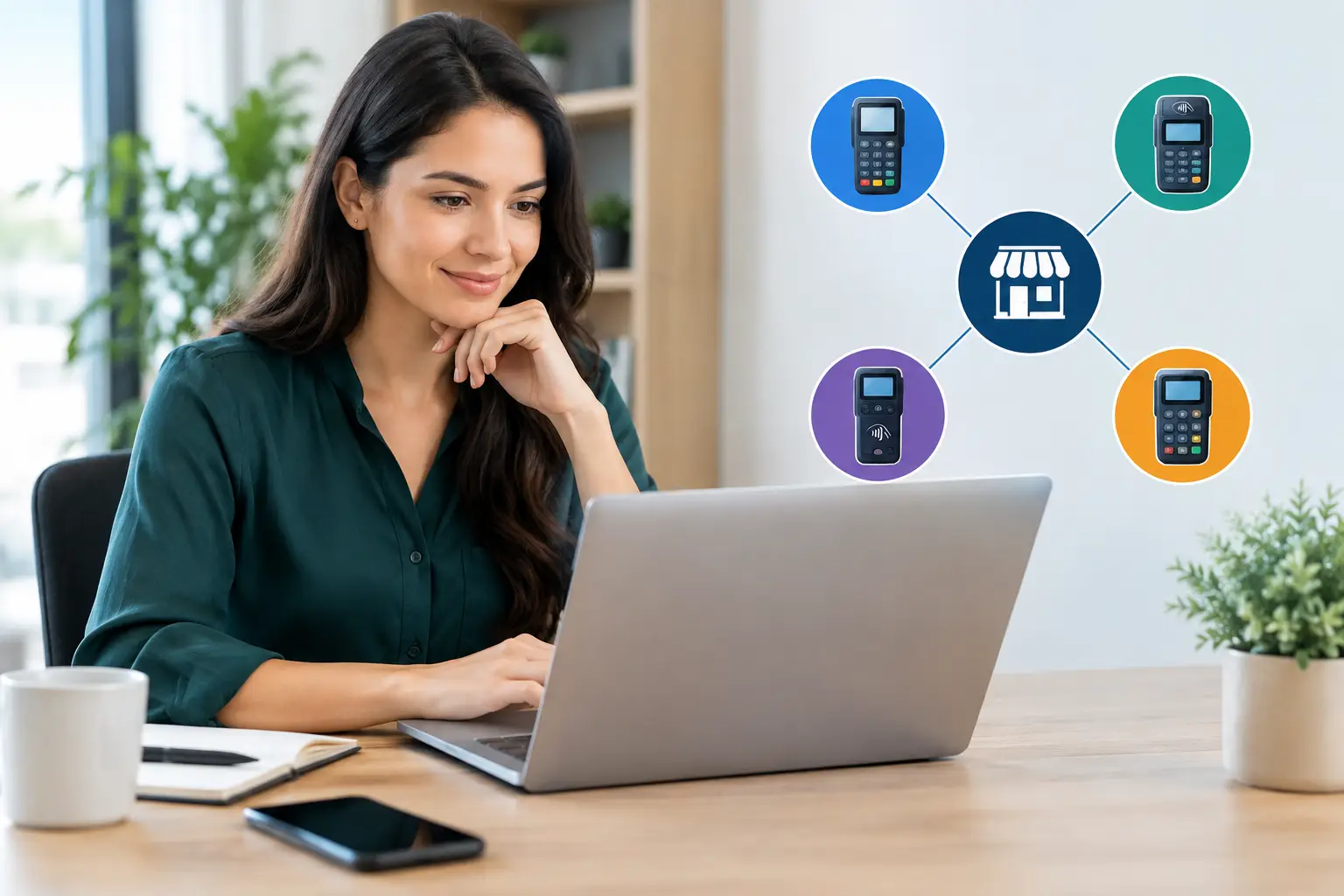
Yes. A merchant can hold accounts with more than one acquiring bank or acquiring partner and connect them through a payment gateway or payment orchestration layer. Each acquirer may process a defined share of card volume, particular currencies, regions, card brands or transaction types.
This arrangement is commonly called multi-acquiring. It is particularly relevant where a business processes cross-border payments, sells subscriptions, operates in a regulated sector or needs greater resilience than one acquirer can provide. Travel, hospitality, gaming, telecoms, adult and dating merchants often use it because risk appetite, chargeback exposure and approval performance can vary substantially by acquirer and market.
The merchant remains responsible for meeting each acquirer’s underwriting, reserve, reporting and compliance requirements. Using several acquirers does not remove the need for clear transaction data, effective fraud prevention or strong customer service. It does, however, give the business more options when one route is not the right route for a payment.
Why multi-acquiring can improve payment performance
The most immediate benefit is resilience. If an acquirer has a technical incident, a connectivity issue or a temporary processing restriction, transactions can be redirected to an approved alternative route. This reduces the commercial impact of a single point of failure, especially during peak campaigns, renewals or seasonal demand.
Approval rates can also improve. Acquirers do not assess every transaction in the same way. Their issuer connections, regional expertise, fraud rules and sector policies differ. A domestic cardholder may receive a stronger outcome when the payment is processed through a local or regionally aligned acquirer, while another acquirer may perform better for a specific currency or card type.
Multi-acquiring also supports commercial continuity. Acquirers can change risk appetite, introduce new limits or reassess an industry. A second, properly onboarded relationship gives merchants time and negotiating strength rather than forcing an urgent migration during a difficult period.
For international businesses, the model can support local payment expectations. A merchant may use one acquirer for European Economic Area card volume, another for US-issued cards and a specialist provider for a market with different settlement, currency or regulatory needs. The right setup can reduce cross-border friction while improving settlement flexibility.
The difference between backup routing and intelligent routing
Simply connecting two acquirers is not enough. If traffic is split randomly, the merchant may not see better approval rates and could make reconciliation more difficult. The value comes from routing decisions based on live performance and defined business rules.
A basic configuration might send primary traffic to Acquirer A and shift to Acquirer B when A is unavailable. This provides continuity, but it does not actively optimise conversion. Intelligent routing uses criteria such as card BIN, issuer country, billing currency, transaction value, merchant category, product type, risk score and historical authorisation performance.
For example, a merchant may route low-risk domestic transactions to an acquirer with strong local issuer coverage, while sending higher-value or cross-border payments to an acquirer with a better fit for that profile. Subscription renewals may follow separate rules from first-time customer purchases. The goal is to select a route before authorisation where possible, rather than repeatedly retrying a declined payment through different processors.
Care is needed with cascading. A properly designed cascade can recover payments affected by a technical decline or a temporary processor issue. But sending every declined transaction to another acquirer can create duplicate authorisation attempts, increase issuer suspicion and worsen the customer experience. Routing logic should distinguish between soft declines, hard declines, suspected fraud and technical failures.
What merchants need before adding another acquirer
Multi-acquiring works best when the business has a clear payment strategy rather than a short-term reaction to declines. Start with payment data. Review authorisation rates by country, issuer, card scheme, currency, device, transaction type and acquirer response code. A blended approval rate can conceal serious weaknesses in a specific market or customer segment.
Next, define the commercial purpose of each relationship. One acquirer might be selected for geographic coverage, another for a regulated vertical, a third for backup capacity or local settlement. This avoids overlapping contracts that add operational effort without solving a distinct payment problem.
Technical readiness matters equally. The gateway or orchestration platform should support multiple merchant identification numbers, route configuration, token portability where available, 3D Secure v2 handling, webhooks, clear transaction reporting and controlled failover. The integration should preserve a consistent checkout experience while allowing routing rules to evolve without a full rebuild.
Merchants should also plan the financial operations. Separate acquirers can have different settlement timetables, currencies, fees, rolling reserves, dispute processes and reporting formats. Finance and operations teams need a reliable way to reconcile transactions, fees, refunds, chargebacks and payouts across all routes.
Risk, compliance and customer experience
More acquiring relationships create more points of control. This is manageable, but only if ownership is clear. Fraud rules must be coordinated so that one acquirer does not approve activity another would reject for valid risk reasons. Chargeback monitoring should be consolidated to identify patterns across channels, countries and payment routes.
PCI DSS responsibilities also require attention. Merchants should minimise their card-data exposure through hosted payment fields, tokenisation and secure gateway architecture. Each provider’s security and data-handling obligations should be understood before traffic is moved.
Customer experience must remain consistent. Customers should not see different descriptors, unexpected currencies or inconsistent authentication journeys because a transaction follows a different route. Clear statement descriptors, well-configured 3D Secure flows and reliable refund handling protect trust after the authorisation is complete.
For subscription businesses, continuity needs particular care. Stored credential frameworks, network tokens and recurring transaction indicators must be configured consistently. Moving an existing customer base to another acquirer can require token migration, new consent evidence or cardholder reauthentication, depending on the parties involved and the markets served.
When multiple acquirers are not the right answer
A second acquirer cannot compensate for a weak proposition, unclear descriptors, high fraud exposure or poor fulfilment. If chargebacks are rising because customers do not recognise the merchant or because delivery standards are inconsistent, adding routes may spread the problem rather than fix it.
The model may also be unnecessary for a smaller merchant with stable domestic volume, straightforward products and a well-performing acquirer. In that case, improving checkout design, enabling relevant alternative payment methods or refining 3D Secure exemptions may produce a better return than managing additional contracts.
Cost is another consideration. Setup work, gateway configuration, testing, reporting and operational oversight all require investment. Acquirers may also set minimum volumes or reserve requirements. The decision should be based on measurable expected gains in approval rate, resilience, market access and commercial flexibility, not on the assumption that more providers always mean better performance.
Building a controlled multi-acquirer model
The strongest approach is phased. Establish a baseline for payment performance, onboard an additional acquirer for a defined use case, test authorisation and settlement flows, then compare outcomes over a meaningful volume of transactions. Monitor approval rates alongside fraud rates, chargebacks, processing costs, refund performance and customer support contacts.
Governance should be continuous. Review routing rules as issuers, markets and acquirer performance change. Maintain escalation contacts with each provider, test failover before it is needed and ensure product, finance, risk and technical teams can see the same operational picture.
A payment partner such as AllSecure can bring the gateway connectivity, orchestration capability and acquiring expertise together, helping merchants configure routes around commercial priorities rather than processor limitations. The right structure keeps checkout simple for customers while giving the business practical control behind the scenes.
Multiple acquirers are most valuable when they are treated as a measured payment strategy: each route has a purpose, every decision is supported by data, and performance is reviewed often enough to protect the revenue that reaches checkout.
Related Articles