29 Oct
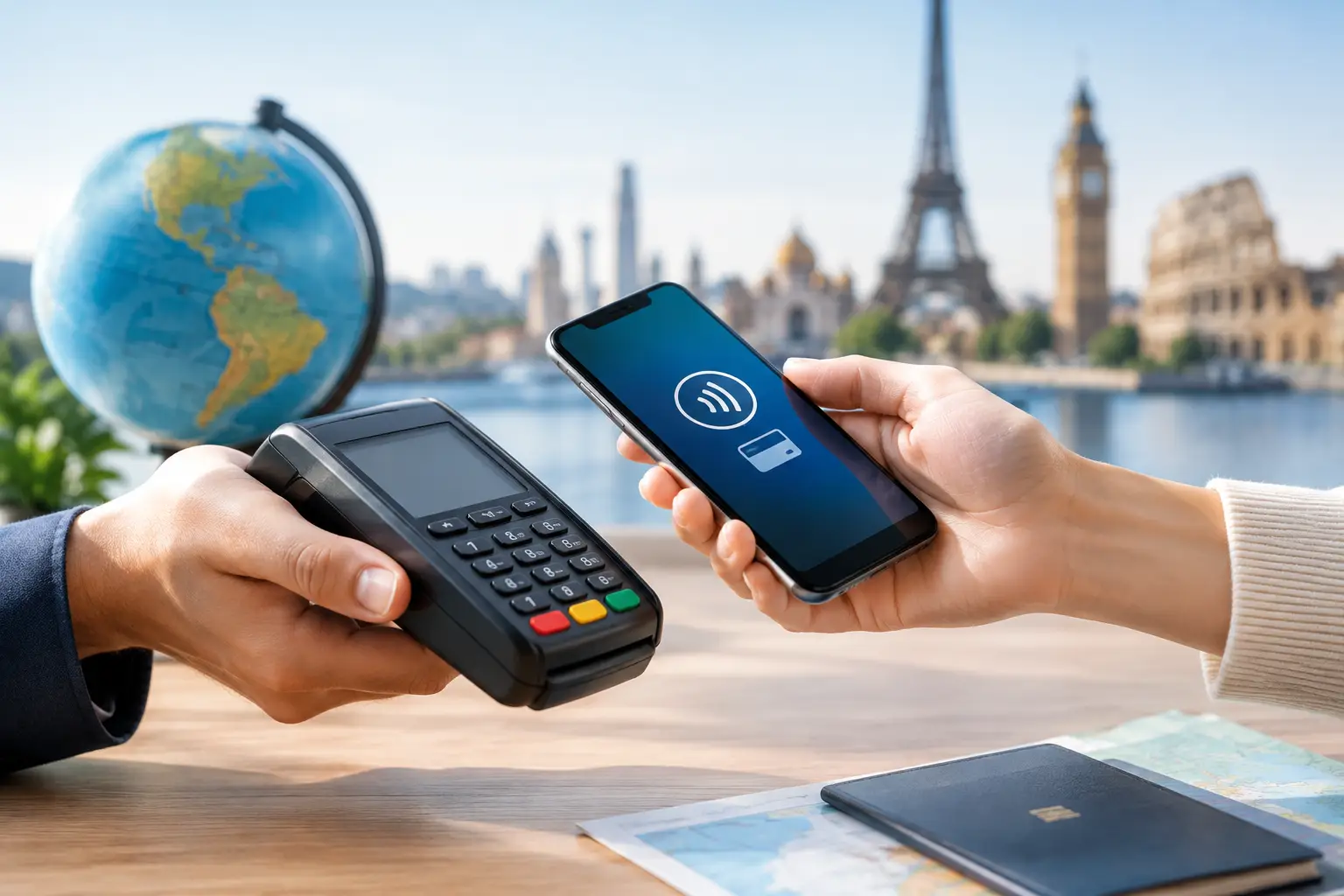
A customer has found the right product, reached checkout on a phone and is ready to pay. At that moment, mobile payments are not simply a feature of the customer experience. They are the point where conversion, security, acquiring performance and international growth either work together or fail visibly.
For merchants, especially those operating across markets or in regulated sectors, a mobile payment strategy must do more than display a card form on a smaller screen. It needs to recognise local preferences, reduce unnecessary authentication friction, route transactions intelligently and protect the business from fraud and chargebacks. The result is a payment flow that supports revenue rather than becoming a source of abandoned baskets and operational cost.
What mobile payments mean for merchants
Mobile payments cover transactions initiated through smartphones and tablets, whether a customer is buying through a mobile website, an app, a payment link or a digital wallet. The customer may pay with a stored card, a bank-based method, a wallet, carrier billing or another local alternative payment method.
The commercial distinction matters. Mobile users have less patience for long forms, repeated card entry and unclear error messages. A desktop checkout can sometimes survive extra steps because customers can compare options and type comfortably. On a mobile screen, every avoidable field, redirect or decline creates a stronger reason to leave.
That does not mean the lowest-friction flow is always the right one. Merchants must balance conversion with the controls required by their sector, risk profile and acquiring partners. A subscription platform may need strong card-on-file management and recurring payment logic. A travel business may need to handle bookings made in one country, fulfilled in another and amended later. A regulated gaming operator may need enhanced checks, carefully configured velocity rules and reliable authentication handling. The payment journey should reflect those realities rather than rely on a generic checkout template.
Why mobile payment performance affects revenue
Mobile commerce is often treated as a design question: make the buttons larger, reduce the steps and optimise page speed. Those are useful improvements, but payment performance is also shaped by infrastructure behind the screen.
A transaction can fail because the customer selected an unsupported local method, the issuer rejected the authorisation, 3D Secure was triggered incorrectly, token data was not available, or the chosen acquirer was not the best fit for that card, country or transaction type. None of these issues is solved by a better checkout layout alone.
High-performing mobile payments combine customer-facing simplicity with payment orchestration in the background. This can include selecting an appropriate acquirer, applying smart routing rules, using network tokens where available and retrying eligible soft declines without exposing the complexity to the customer. For international merchants, presenting prices and payment choices in familiar local terms can be equally important.
Approval rates should therefore be assessed alongside customer behaviour. A high number of payment attempts may indicate friction rather than demand. Likewise, a low fraud rate can be misleading if rules are so restrictive that good customers are being blocked. The useful measure is protected, profitable acceptance: legitimate transactions approved with an appropriate level of control.
Build a mobile checkout around real customer choices
The most effective checkout is not necessarily the one with the fewest payment methods. It is the one that presents the right methods for the customer, market and transaction.
Cards remain essential, particularly for cross-border commerce and recurring billing. However, digital wallets can reduce data entry and give customers a payment method they already trust. Local bank payment options and alternative methods may be decisive in markets where card usage is lower or where consumers expect a domestic payment experience. For some merchants, payment links and virtual terminal capabilities also support mobile-led sales assisted by customer service teams.
A practical configuration starts with transaction data. Review which countries generate mobile traffic, which devices customers use, where authorisations fail and which payment methods are requested or abandoned. Then prioritise methods with a clear commercial case rather than adding options that complicate reconciliation and support.
Reduce data entry without reducing control
Hosted payment fields, wallet buttons and tokenised credentials remove much of the typing that makes mobile checkout slow. They also reduce the merchant’s direct exposure to sensitive card data when implemented correctly. This supports a more controlled PCI DSS scope while allowing the checkout to remain aligned with the merchant’s brand.
For returning customers, securely stored credentials can make repeat purchase far more efficient. The implementation must be transparent: customers should understand when a card is being saved, how recurring charges work and how to manage their billing details. Clear consent is not only good practice. It reduces disputes caused by confusion over future payments.
Make authentication proportionate
Strong Customer Authentication is an essential part of European payments, but a poorly configured authentication journey can add unnecessary abandonment. 3D Secure v2 uses richer transaction information to help issuers assess risk and, where appropriate, approve a transaction with less customer interaction.
Merchants should work with their payment provider to send accurate data and apply exemptions only where they are valid and commercially sensible. Authentication policy should not be set once and forgotten. Monitor challenge rates, completion rates, issuer responses and fraud outcomes by country, issuer and device. A rule that works well in one market may damage conversion in another.
Treat fraud prevention as a conversion discipline
Mobile channels bring valuable signals, including device data, location patterns and customer behaviour. They also attract account takeover, card testing, promotional abuse and friendly fraud. A defensive strategy built only on blanket declines protects neither revenue nor reputation.
Effective fraud prevention layers controls. Basic measures may include velocity limits, IP and device checks, BIN controls, blocklists and transaction value thresholds. More advanced programmes can use behavioural indicators, rule combinations and real-time review workflows. The right level depends on the merchant’s product, average order value, delivery model and chargeback exposure.
High-risk sectors need particular care because a fraud event can quickly become an acquiring issue. Excessive chargebacks can increase processing costs, trigger monitoring programmes or threaten acceptance capacity. Fraud rules should therefore be connected to chargeback prevention, not operated as a separate technical exercise.
This also requires good operational processes. Keep clear records of customer consent, fulfilment, account activity and communications. Make descriptors recognisable. Resolve legitimate customer issues before they become disputes where possible. Strong evidence will not prevent every chargeback, but it gives merchants a better position when a dispute must be challenged.
Use payment orchestration to improve resilience
A merchant with one acquirer and one payment method may have a simple setup, but it also has a single point of failure. This can be particularly costly on mobile, where customers are unlikely to retry repeatedly after a decline.
Payment orchestration gives merchants a way to connect multiple PSPs, acquirers and alternative payment methods through a single integration. Routing can be configured by card type, currency, transaction value, geography, issuer response, risk score or business priority. If one route is unavailable or underperforming, another approved route may be available without requiring the customer to start from scratch.
There are trade-offs. More connections create more data, reconciliation requirements and compliance considerations. Routing logic must be tested carefully to avoid duplicate submissions, inappropriate retries or poor customer outcomes. The objective is not to create complexity for its own sake. It is to give the business control over acceptance performance and continuity.
For merchants expanding across Europe and beyond, orchestration can also make acquiring strategy more practical. Local acquiring relationships may improve authorisation performance in key markets, while a broader provider network supports access to specialist processors for complex or high-risk business models.
Integrate for speed, then operate for insight
The right technical approach depends on internal resources and the desired customer experience. Hosted checkout can provide a fast route to market with a controlled payment environment. Hosted fields offer more design flexibility while keeping sensitive data handling limited. API-led integration gives product and engineering teams deeper control over payment flows, app experiences, webhooks, tokenisation and reporting.
Whichever route is chosen, integration should include a plan for what happens after the payment button is pressed. Webhooks need reliable handling. Payment states must be reconciled correctly. Customer support teams need visibility of declines, refunds, partial captures and subscription events. Finance teams need reporting that makes settlement, fees and chargeback activity understandable across currencies and providers.
A payment platform should help turn this data into action. Monitor approval rates by acquirer and issuer, identify recurring decline codes, compare authentication outcomes and investigate mobile abandonment at the payment step. Small configuration changes can have a material revenue effect when they are based on real transaction patterns.
AllSecure helps merchants combine gateway technology, acquiring access, alternative payment methods and configurable risk controls in one payment infrastructure. For businesses managing multiple territories or demanding payment profiles, that combination makes it easier to adapt without repeatedly rebuilding the checkout.
The next useful step is to review one mobile customer journey from first payment option to settlement and dispute handling. The weaknesses are rarely confined to a single screen, and the strongest gains often come from fixing the hand-offs between checkout, authentication, acquiring and risk management.
Related Articles