06 Oct
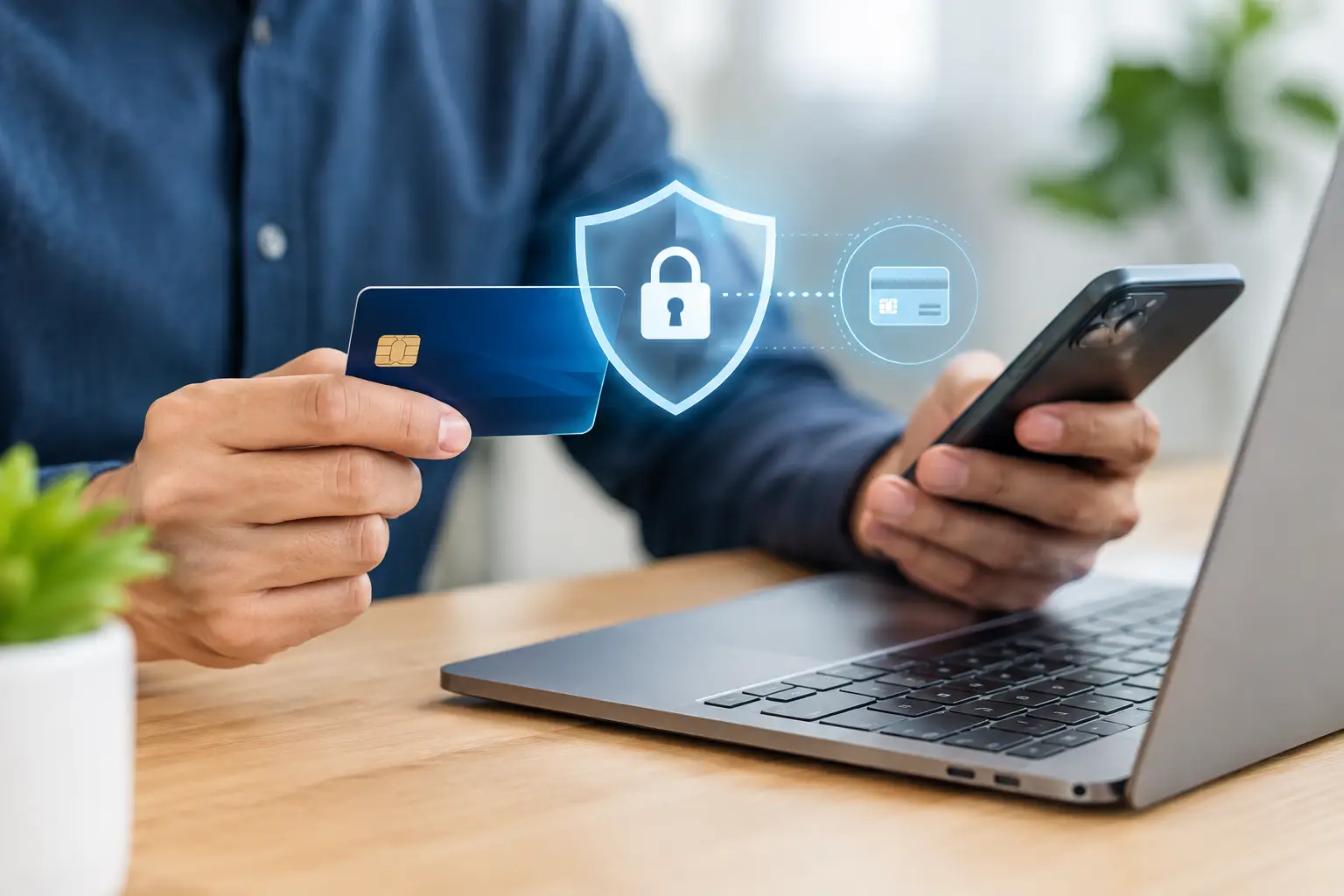
A stored card can be commercially valuable long after the first transaction. It enables renewals, one-click payments, incremental authorisations and faster repeat checkout. It can also become a serious liability if cardholder data is handled in the wrong place. This secure card tokenisation guide explains how to retain the payment capability your business needs without retaining the underlying card number across your own systems.
For subscription businesses, travel merchants, marketplaces and regulated or high-risk sectors, tokenisation is not simply a technical compliance exercise. It is a control that can reduce exposure, keep recurring payments running when a card changes, and make multi-provider payment operations easier to manage.
What secure card tokenisation means
Card tokenisation replaces a primary account number (PAN) with a unique reference, known as a token. The token can be stored and used for permitted payment operations, while the actual card data remains in a protected payment environment such as a PCI DSS Level 1 gateway or token vault.
A token is not a disguised card number. A properly implemented token has no useful value outside the system authorised to resolve it. If an attacker obtains it from a merchant database, they should not be able to reverse it into the PAN or submit it to an unrelated processor.
This is different from encryption. Encryption transforms readable data into ciphertext that can be decrypted with a key. Tokenisation replaces sensitive data with a surrogate value and separates the mapping from the merchant environment. Both controls have a role in payment security, but they solve different problems. Encryption protects data in transit and at rest; tokenisation can materially reduce where card data exists in the first place.
The exact reduction in PCI DSS scope depends on your integration and operational model. Tokenisation does not automatically make a business compliant, nor does it remove the need for access controls, secure development and careful supplier oversight. It does, however, reduce the systems that may process, store or transmit PANs when designed correctly.
Why tokenisation affects conversion as well as security
The clearest benefit is reduced card-data exposure. Your application, customer relationship management platform and internal reporting tools can reference a token rather than a PAN. That limits the impact of an incident and narrows the number of environments that demand the highest level of payment-data protection.
There is also a direct payment-performance benefit. A customer who has completed an initial card payment should not need to re-enter card details for every permitted future purchase. Tokens support card-on-file journeys including subscriptions, instalments, account top-ups and merchant-initiated transactions. Fewer form fields and less repeated data entry can reduce checkout friction.
For recurring commerce, network tokenisation adds another layer of value. A network token is issued through a card scheme token service and can be linked to a specific merchant, device or payment relationship. When a physical card expires, is renewed or is replaced, the network token may be updated through lifecycle services. This can lower avoidable declines caused by stale card credentials.
That does not mean every tokenised transaction will be approved. Issuers still assess available funds, fraud signals, authentication results, cardholder behaviour and transaction context. But a current credential, clear stored-credential indicators and an appropriate transaction flow give the issuer better conditions for approval.
Gateway tokens and network tokens are not interchangeable
A payment gateway token is typically created by the gateway or its vault. It allows your business to refer to a stored card through that provider’s environment. This is useful for recurring billing, refunds, delayed capture and repeat payments without exposing raw card data to your platform.
A network token is created under card-scheme tokenisation programmes. It provides a tokenised credential recognised through the payment ecosystem and may receive automatic updates during the card lifecycle. In many cases, a gateway or payment orchestration platform can support both: it gives the merchant a gateway reference while using a network token where an acquirer and scheme route support it.
The distinction matters when you operate across more than one acquirer or processor. Gateway tokens can be provider-specific. Moving payment relationships between platforms may require a controlled token migration process, subject to contractual permissions, scheme rules and security validation. Network tokens can improve credential portability in certain models, but they do not eliminate every dependency on your gateway, acquirer or token service provider.
Ask early how tokens are created, where the PAN-to-token mapping is held, which payment routes can use the token, and what happens if you change acquiring partners. These are operating questions, not merely integration questions.
Choosing the right tokenisation flow
For a simple hosted checkout, the gateway collects card details on its own payment page and returns a payment result and, where authorised, a token. This keeps card fields outside your site and is often the quickest route to a lower-risk implementation.
Hosted payment fields offer greater control over checkout design. The card inputs appear within your page, but the sensitive fields are served directly from the payment provider. Your front end receives a token or payment method reference instead of card data. This can balance brand control with a contained card-data footprint.
An API-led direct integration gives the greatest flexibility, but it also brings the greatest responsibility if your servers handle PANs. It may suit businesses with established PCI DSS controls and a specific operational need, yet it should not be selected by default. For most merchants, client-side tokenisation or hosted fields provide the better risk-to-flexibility balance.
The right flow depends on your checkout architecture, markets, payment methods and compliance maturity. A travel business managing deposits and no-shows may need tokens that support delayed charges and incremental authorisations. A subscription merchant needs reliable credential-on-file storage, billing schedules and lifecycle updates. An online gaming operator may need tokenisation integrated with device intelligence, velocity controls and 3D Secure v2 decisioning.
Build tokenisation into the full payment lifecycle
Tokenisation begins before the first authorisation. Collect clear customer consent when storing a credential and present terms that match the payment relationship. Store the consent record, token reference, customer reference and transaction metadata needed to evidence that relationship. Do not treat tokenisation as permission to charge without a valid mandate or agreement.
For the initial transaction, pass the correct stored-credential and authentication indicators. If strong customer authentication is required, complete it in the customer-present flow. Later merchant-initiated transactions should reference the original agreement and be correctly flagged. Misclassifying transactions can cause issuer declines, disputes and compliance problems.
Use tokens for refunds and other permitted post-payment actions wherever possible. Keeping the customer reference, order reference and token distinct also improves reconciliation. Finance and operations teams should be able to trace a payment lifecycle without exposing payment credentials in dashboards, exports or support tickets.
When a card is updated or a token becomes invalid, your billing logic needs a clear response. Attempt intelligent retries where appropriate, use available account updater or network token lifecycle services, and provide a respectful card-update journey when action is required. Repeated blind retries can increase costs, worsen customer experience and create unnecessary fraud or chargeback risk.
Secure card tokenisation guide: controls that still matter
Tokenisation reduces exposure, but it is not a substitute for payment security discipline. Access to token-management functions should follow least-privilege principles, with multi-factor authentication for administrative users. Token creation, use, deletion and migration activities should be logged and monitored.
Keep tokens out of places where they do not need to exist. Avoid copying them into unsecured spreadsheets, broad analytics tools, email threads or customer-service notes. Although a token is not normally usable as a PAN, it remains a payment-related identifier and can become valuable when combined with customer data or overly permissive APIs.
Your integration should validate server-side requests, protect API credentials, verify webhook signatures and separate test from live environments. Rotate secrets, review access regularly and define how tokens are disabled when an account is closed or a payment relationship ends. These controls protect the payment capability around the token, which is often the real target.
For higher-risk sectors, combine tokenisation with transaction risk management. Device signals, velocity limits, country and BIN controls, behavioural rules, 3D Secure v2 and chargeback monitoring can help distinguish a convenient returning customer journey from an exploitable stored-credential route.
Questions to ask your payment partner
Before committing to a tokenisation design, establish whether the provider supports gateway tokens, network tokens and card lifecycle updates across your target acquirers and markets. Confirm how merchant-initiated transactions, recurring billing, refunds, partial captures and account updater services are handled.
You should also understand the commercial and operational implications of token portability. Ask whether tokens can be migrated if you change provider, what validation is required, how long the process takes and whether historical recurring agreements remain usable. A payment setup that improves conversion now but prevents a sensible future acquiring strategy can become expensive.
Finally, test the whole journey rather than only the first payment. Include successful authorisations, soft and hard declines, 3D Secure challenges, expired-card scenarios, refunds, retries, webhook failures and duplicate-request handling. A tokenisation integration is only as dependable as its exception paths.
The most effective approach is to treat tokenisation as payment infrastructure, not a database feature. When it is configured alongside the right acquiring routes, authentication strategy and fraud controls, it protects card data while giving returning customers a reason not to abandon a purchase they were ready to make.
Related Articles