18 Sep
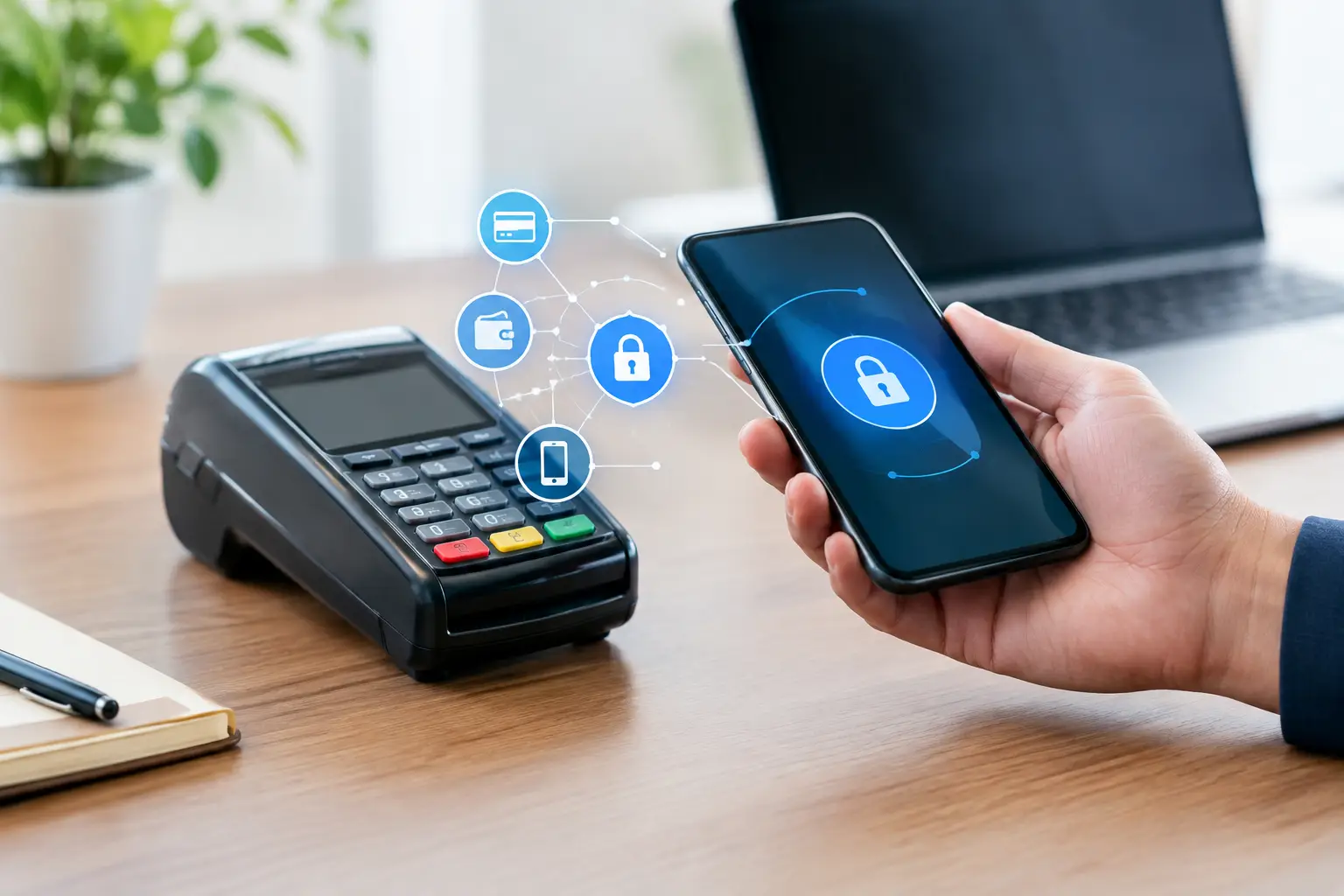
A card number stored after checkout can become an operational liability long before it becomes a security incident. It affects PCI DSS responsibilities, limits flexibility when acquiring arrangements change and can create avoidable friction for repeat customers. A meaningful payment tokenisation comparison helps merchants decide which token model protects card data while supporting approval rates, recurring revenue and international growth.
Tokenisation replaces a primary account number, or PAN, with a substitute value that has no useful value outside its intended payment flow. The detail that matters is who issues that substitute, where it can be used and whether it can move with the merchant when a PSP, acquirer or payment route changes. Those differences are particularly material for subscription businesses, travel merchants and regulated sectors where continuity of payment acceptance is commercially critical.
Payment tokenisation comparison: the three core models
The term tokenisation is often used as though it describes one technology. In practice, merchants commonly encounter gateway tokens, network tokens and merchant vault tokens. Each can play a valid role, but they solve different problems.
| Token model | Issued and controlled by | Where it works | Primary commercial value | | — | — | — | — | | Gateway token | Payment gateway or PSP | Usually within that provider’s platform | Reduces exposure to card data and speeds up stored-card payments | | Network token | Card scheme through a token service provider | Across eligible acquirers and processors | Supports stronger authorisation performance and card lifecycle management | | Merchant vault token | Merchant platform or token vault | Defined by the vault and its integrations | Creates a consistent customer payment reference across payment routes |
Gateway tokens
A gateway token is commonly created when a customer enters card details through hosted payment fields, a hosted checkout or a gateway-managed payment page. The gateway stores the PAN in its compliant environment and returns a token for future charges. Your systems can then reference the token rather than handling raw card data.
For a merchant using a single gateway and acquiring setup, this model is often efficient. It reduces the amount of sensitive data entering the merchant environment and makes recurring billing, one-click payments, refunds and customer support processes easier to manage.
The trade-off is portability. A gateway token may be meaningful only inside that gateway. If the merchant changes provider, adds a second processor or needs to reroute transactions during an outage, stored credentials may not automatically travel with them. The commercial impact can be serious where a large active subscription base depends on saved cards.
Network tokens
Network tokenisation replaces the PAN with a token issued under a card scheme framework. The token is generally linked to a specific merchant, device or payment relationship, and transactions can include a dynamic cryptogram that proves the token is being used in an authorised context.
This model can improve the quality of payment credentials presented for authorisation. When a customer receives a replacement card, changes expiry details or experiences a card reissue, network token lifecycle services can update the underlying credential without requiring the customer to re-enter card details. That reduces involuntary churn and avoids unnecessary declines on recurring payments.
Network tokens can also provide stronger continuity across participating acquirers. However, availability depends on scheme rules, issuer support, payment method, market and the technical capabilities of each processor. They should not be treated as a universal substitute for a merchant’s broader routing and data strategy.
Merchant vault tokens
A merchant vault token is a merchant-level reference used to identify a customer’s stored payment method without exposing card details to the merchant application. It may sit above one or more PSPs and acquirers, allowing the payment orchestration layer to determine where and how a payment is processed.
For merchants operating across territories or managing several acquiring relationships, this approach provides valuable control. A single stored-payment reference can support intelligent routing, local acquiring and contingency processing, subject to the relevant token and credential-sharing arrangements.
The caveat is governance. A vault does not, by itself, create portability or remove card-scheme requirements. The merchant must understand where the underlying credentials are held, which processors can access them, how customer consent is recorded and what happens when a payment partner is added or removed.
Compare tokenisation by the payment problem you need to solve
The best choice is rarely the most advanced-sounding one. It is the model that removes a genuine constraint in the payment journey.
For a straightforward e-commerce business with one processor, gateway tokenisation may deliver the right balance of security and integration speed. Hosted payment fields keep sensitive card data away from the checkout application while giving the merchant a reusable reference for returns, repeat purchases and subscriptions.
For a subscription merchant, network tokenisation deserves closer attention. Failed recurring payments can be caused by expired cards, replacements and issuer changes rather than a customer’s decision to cancel. Token lifecycle management can protect revenue that might otherwise be lost through failed renewal attempts. It still needs to be paired with considered retry logic, clear customer communications and account updater capabilities where applicable.
For an enterprise merchant, marketplace or high-volume regulated business, the priority may be control across multiple acquirers. In this case, a merchant vault and orchestration strategy can help route transactions according to approval performance, cost, issuer geography, card type or risk appetite. Network tokens can then strengthen the credential used within those routes.
A layered design is often the practical answer. Gateway tokenisation protects data capture; a merchant vault provides a stable internal reference; network tokens improve the payment credential presented to issuers. These components are complementary when they are designed around the merchant’s operating model.
Security and compliance: what tokenisation does not do
Tokenisation reduces the exposure of card data, but it is not a blanket exemption from PCI DSS. The scope of a merchant’s obligations depends on the integration model, systems that can influence the payment page and whether card data can enter, pass through or be accessed from the merchant environment.
Hosted checkout and hosted fields can substantially reduce the cardholder-data footprint when implemented correctly. Yet scripts on the payment page, access controls, configuration changes and third-party dependencies remain relevant to payment security. Merchants should assess their integration, not simply rely on a tokenisation label.
Security controls should also cover the full token lifecycle. That includes restricting who can create or charge tokens, authenticating API requests, monitoring unusual payment patterns, managing refunds and cancellations, and retaining audit records. A token that can be charged by an unauthorised party is still a source of fraud risk, even if the PAN remains protected.
For regulated and higher-risk sectors, tokenisation should sit alongside device intelligence, velocity rules, 3D Secure v2 configuration, fraud screening and chargeback monitoring. Reducing card-data exposure is valuable, but it does not replace transaction-level risk controls.
Questions to ask before selecting a provider
A productive provider assessment goes beyond asking whether tokenisation is available. Ask who owns the token, whether it can be migrated, whether network tokens are supported for the card schemes and markets that matter to your business, and how lifecycle updates are handled.
You should also establish whether tokenised credentials can be used across your acquiring setup, how credentials are provisioned during a processor change, and what happens if a route is temporarily unavailable. Request clarity on API behaviour for token creation, customer deletion, token updates, recurring charges, webhooks and error handling. These operational details determine whether your payment team can act quickly when performance changes.
For merchants processing in multiple currencies or territories, local payment methods need separate consideration. Card network tokenisation does not apply in the same way to every alternative payment method. A sound architecture supports tokenisation where it adds value without forcing every payment type into a card-based model.
Build for conversion without surrendering control
The right implementation should make checkout easier for customers and payment operations more predictable for the business. Start by mapping where card details are collected, stored and reused. Then identify the moments where payment credentials need to survive change: a card replacement, a recurring renewal, a new acquirer, an expansion into another market or a temporary routing decision.
AllSecure can help merchants combine compliant data capture, token management, network tokenisation and multi-provider payment routing within a payment strategy built for their risk profile and growth plans. The aim is not merely to replace card numbers with tokens. It is to keep legitimate customers paying while retaining the flexibility to improve how each transaction is processed.
A tokenisation decision is strongest when it is made as part of a wider payment architecture. Protect the card data, but also protect your ability to change route, add acquiring capacity and continue serving customers when the payment landscape changes.
Related Articles